
JC Smith
Interview + Edits by Andrew Williams
Photographs by Will Ramsey
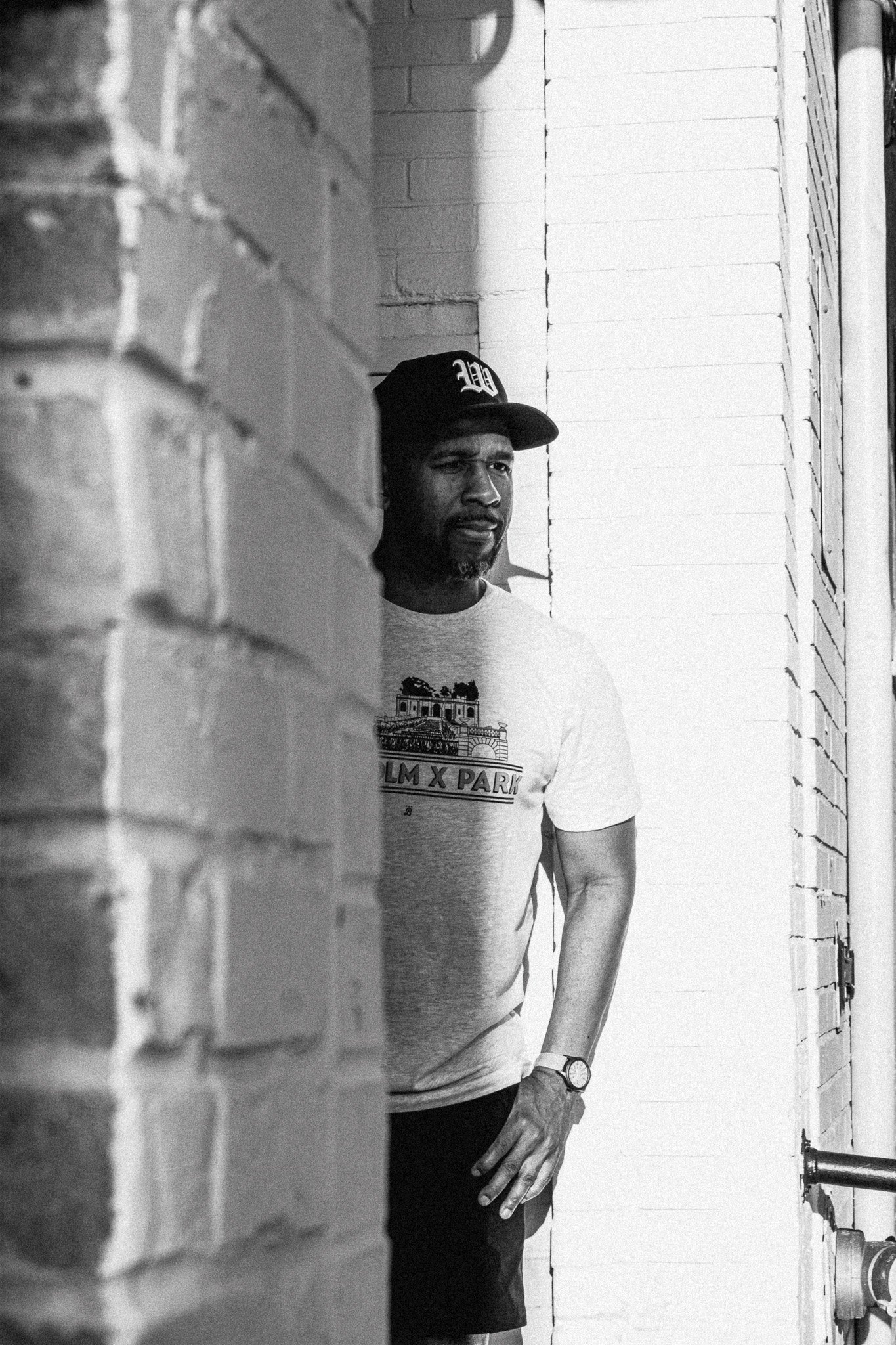
You don't move to DC. You take root — into the row houses, into the go-go bass bleeding out of car windows, into the ghosts of Chocolate City. This is a city that's buried more of its own history than most places ever get to have. JC landed here in 2009, an Ohio kid with no claim to any of it. Instead of asking permission, he started making shirts and launched Bailiwick Clothing in 2016. Ten years later, Bailiwick isn't merchandise — it's a love letter to his adopted home. "51st State" inked across chests at a protest. "Hands Off DC" screen-printed like a collective shove. A Capitals jersey that put real money behind a Southeast DC hockey program older than half the league's diversity initiatives. JC isn't homegrown. He's earned his DC bones — block by block, shirt by shirt.
Andrew Williams: Take me back to the beginning. What's the origin story of Bailiwick, and what brought you to DC in the first place?
JC: The origin story started when I moved here to DC. That was January 2009, basically the same time Obama got here. On my first day, I came for the inauguration and to stay. I was looking for some DC T-shirts that weren't sports team T-shirts, and I couldn't find anything I liked. So I decided to just make my own. My brother, Jeff, and I had been messing around with some different designs, and after a few years of brainstorming, we came up with a couple of cool ones that we thought were dope. We showed them to some friends, and it got going from there.
I'm originally from right outside Cleveland, Ohio. Spent many years in Cleveland and Northeast Ohio. Spent a couple years in Boston getting my master's degree and working. Even when I was in Ohio, I knew there were other places I wanted to go. And when I was in Boston, I knew I wasn't going to be there to stay. I've been in DC for about 17 years. When I got to DC, it just felt like home.
Andrew Williams: Was there a moment in childhood where clothing became more than clothing? Was there something rooted there that became Bailiwick?
JC: Not really. Growing up, I was always drawing and creating, but it wasn't until the year after I graduated college that I really started thinking about putting designs on clothing. If I had to do my high school and college years over again, I would have taken design classes. I'm not a "graphic designer" by training, though I feel like I've "graduated" and kicked down the door to become one.
Andrew Williams: You come from Cleveland, but you inherited DC. You're not homegrown. Some might call that appropriation. How do you keep Bailiwick from becoming a villain in that sense?
JC: I try to keep my ear to the streets and stay abreast of what's going on in the city. I immerse myself in the city, talk to folks here, and become one of them. I pay taxes. I've set my roots here and love it, and I'm not leaving. Before I come out with certain designs, I run them by folks I know and trust, folks I think have skill and good judgment, and try to do stuff that honors the city. In the past, I've been asked to do different types of shirts and designs, things like "the b*itch set me up." [Echoing former DC Mayor Marion Barry's infamous line after his 1990 FBI drug sting arrest — the same Barry who was later reelected mayor in 1994 and remains a beloved DC political legend.] I want my designs to honor this city. It's part of me, and I want to show that love and spread it.
Andrew Williams: What does Bailiwick stand against, as much as it stands for?
JC: We stand against injustice. I try to run the business the way I run my life. I stand against injustice, and some of the things going on in the current administration. We stand against racism, homophobia, sexism, and against people who don't think DC should be a state. I've been approached by certain right-leaning groups about doing designs for them, and I believe all money ain't good money. Those aren't people I want to represent my stuff, so I'm not going to design for them.
Andrew Williams: I feel like the city has taken ownership of Bailiwick. It's our voice in a lot of ways. Has there been a moment when you realized the brand wasn't entirely yours anymore?
JC: I feel like I share it with the city, and I love it more than anything. When I had a store at the Wharf a couple years ago, we had some older white customers, probably 75+, who always came in and bought stuff. While I wouldn't say that's my target consumer, I am proud that 75-year-old white folks want to come in and buy my stuff and wear it. I think that's cool that we're outfitting all age groups. Once you can be comfortable knowing the brand isn't yours anymore, that it's gone out into the world, and be happy with that, then you're winning.
Andrew Williams: Is there a version of Bailiwick that only exists because of the struggle? I think about DC's statehood, fight for independence, and fair representation.
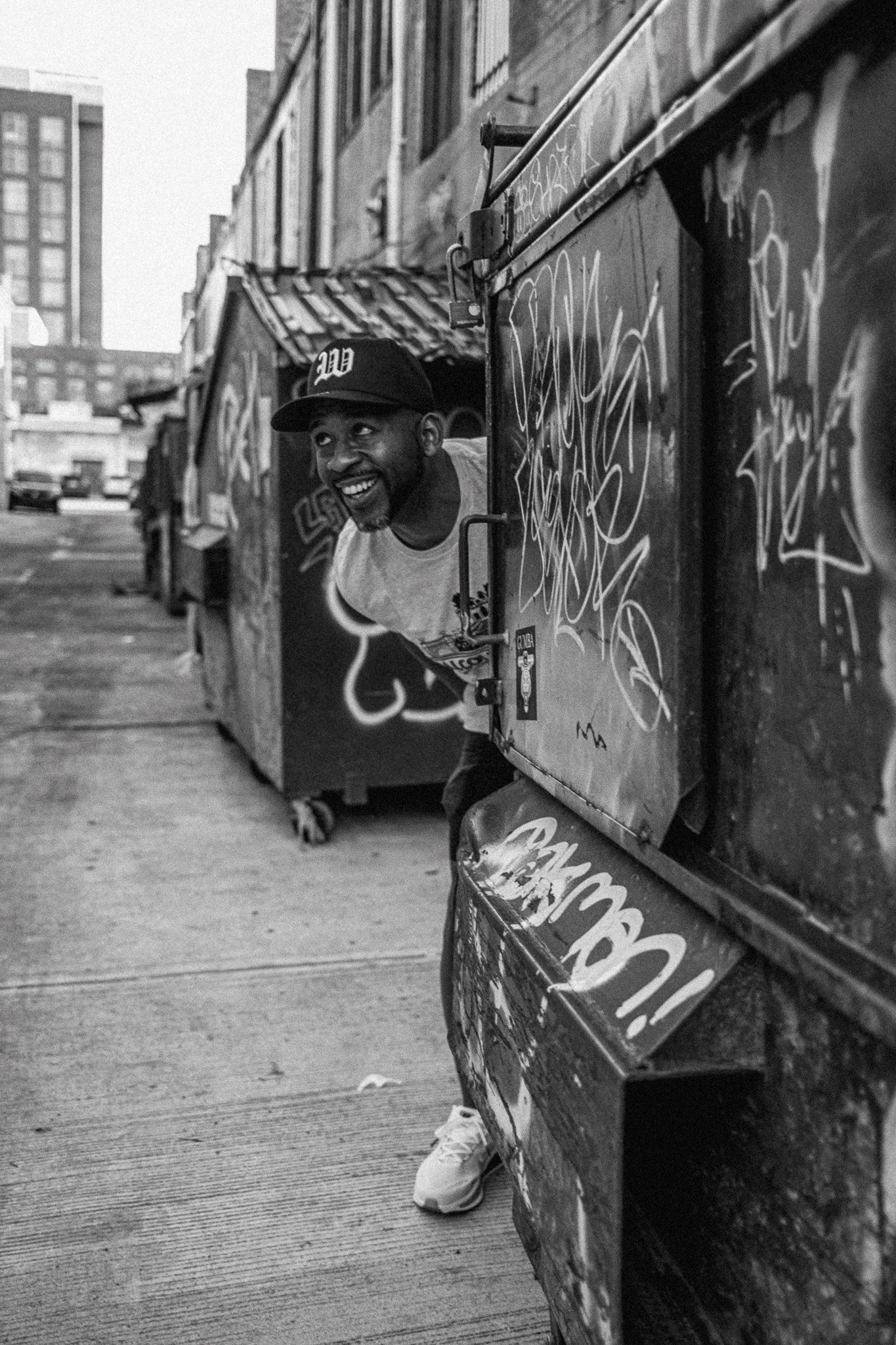
JC: A lot of it is born out of the struggle. Some of our most popular designs- the "51st State," "The District vs. Congress" [one of Bailiwick's best-selling designs, referencing DC's decades-long fight for statehood and full congressional representation] only exist in a place where we don't have representation. The "Resist" shirts, "Hands Off DC" — a lot of it goes hand in hand with the struggle DC and Black folks have, anyone who's underrepresented in society. When we first started Bailiwick, our mission statement was that we're a brand for the overlooked and the underrepresented, a brand for outcasts, the late bloomers, those who were passed over. I don't think Bailiwick exists outside the struggle. That's part of the secret sauce that makes us what we are.
Andrew Williams: Has DC ever pushed back on you? Forces within the city?
JC: I've had forces push back. The biggest thing is listening, listening to what people say and what people tell me, when they don't think something is representative of the city. That's the best way to get good feedback in real time and to heed it, too. There's a fine line, though. I played football growing up, and in other sports, and you always hear coaches say, "If I'm going to get fired, I'm going to get fired my way. I'm not going to listen to the people in the stands. I'm going to run it fourth and goal, my way."
[Editor's note: Williams is referencing Coach Pete Carroll's infamous decision to throw the ball on 4th and goal at the end of Super Bowl XLIX, a call widely considered one of the costliest in Super Bowl history.]
Andrew Williams: Pete Carroll, right?
JC: Right. But you've got to be bold enough to live with the consequences. It's a fine line. You've got to listen to your constituents. If you're a politician, listen to your community. But also don't be afraid to try something new, push boundaries, and know that you can make that decision yourself and live with whatever happens.
Andrew Williams: Outside of Bailiwick, who is JC? What keeps you grounded?
JC: I'm a pretty cool dude, a chill guy. I'm honestly kind of boring. I love to kick back, have a cold beverage, play sports where I can, and enjoy the city. I want to spread positivity everywhere I can. I try to stay grounded in my faith; that's a big thing for me. Being outdoors where I can, drawing inspiration. I draw so much inspiration from the city, from music, and from the beauty of DC.
Andrew Williams: Where else do you find inspiration for the brand?
JC: I'm a little weird. I love signs, old signs, and old fonts. I'm always looking around the city for those things. That's why I love Union Market. I draw a lot of inspiration from musicians. I'm always looking at cover art for albums and magazines. I'm always looking at sports teams too, old jerseys. I went on a deep dive not that long ago into old Premier League jerseys, Serie A jerseys from the '70s, and old logos like Lazio, Juventus, and Roma, along with their old jerseys. Big jersey guy, big logo guy. Any type of logo book, I'm about it. Pop art too. I love different types of pop art. Maybe that's a little kitschy and out there, but stuff like that really gets me going.
Andrew Williams: Tell me about the Washington Capitals project. How did that come about?
Editor’s Note: Bailiwick was tapped in the fall of 2025 to help design a commemorative Black History Month jersey for the Washington Capitals, debuting in 2026.
JC: That was awesome, a great project. They reached out to me late last year. It was a process. I submitted some different designs and ideas. Some got approved, some didn't. I wanted to do some things more militant than I think the NHL was ready for, but I understand that in this climate the NHL isn't the most radical group out there. Working with them was so much fun, getting the chance to create something that folks really gravitated toward.
We raised over $52,000 from the sale of those jerseys and hats, which went toward community organizations. They run a youth program, and they have a Black hockey team, the Fort Dupont Cannons [the Fort Dupont Cannons, founded in 1978 in Southeast DC, are the oldest minority youth ice hockey program in the country] that's been around for decades, supporting other youth programs too, like Caps in the Community and Wounded Warriors.
Seeing the Capitals players wear it- Ovechkin, John Carlson before he got traded, Tom Wilson, Justin Sourdif- that was so cool. As you probably know, the Caps have signed the most Black players in NHL history, 12 now to date. A rookie named Justin Sourdif, a brother from Canada, was the 12th Black player in Caps history. This was his rookie season, and to have his name included on the patch and to present him with the jersey with his name on it- that's a piece of history. I got the jersey. I wore it once to the Black History game, and now I'm getting it framed. It'll be a memento I keep forever. The brand exposure was great, and having my name associated with the Washington Caps was a dream come true.
Andrew Williams: What's the next chapter for Bailiwick?
JC: I want to do a deep dive into some of the older things of DC that aren't around anymore, old logos and designs. That's one place I'd like to take Bailiwick. I've been saying this for years. I believe in retail storefronts, so it's time to start thinking about a storefront. Having a storefront is a logical next step, a place where people can come, touch and feel the garments, try them on, and see what I'm working on. Expanding the brand into Virginia and Maryland, becoming more DMV, follows naturally from there. Then starting to hire people, which comes along with opening a store. I still enjoy the pop-ups and events I've done in the past, but not as much as I used to, and it's time to hire people to do that part for me so I can spend more time on the creative.
Andrew Williams: One fun final question for you. If Bailiwick had a DC soundtrack, what would be the last song on it, and why?
JC: Probably "Chocolate City" by George Clinton. The last line, "God bless Chocolate City and his vanilla suburbs," always resonates with me. Chocolate City isn't as chocolate as it used to be, and the suburbs aren't as vanilla as they used to be, but I've listened to that album so many times, and I love it. That would probably be the last song. Got to get George Clinton in there. I got a chance to meet George Clinton years ago; that was dope. And I got to present him with a Chocolate City T-shirt, and he rocked it. It encapsulates the city.
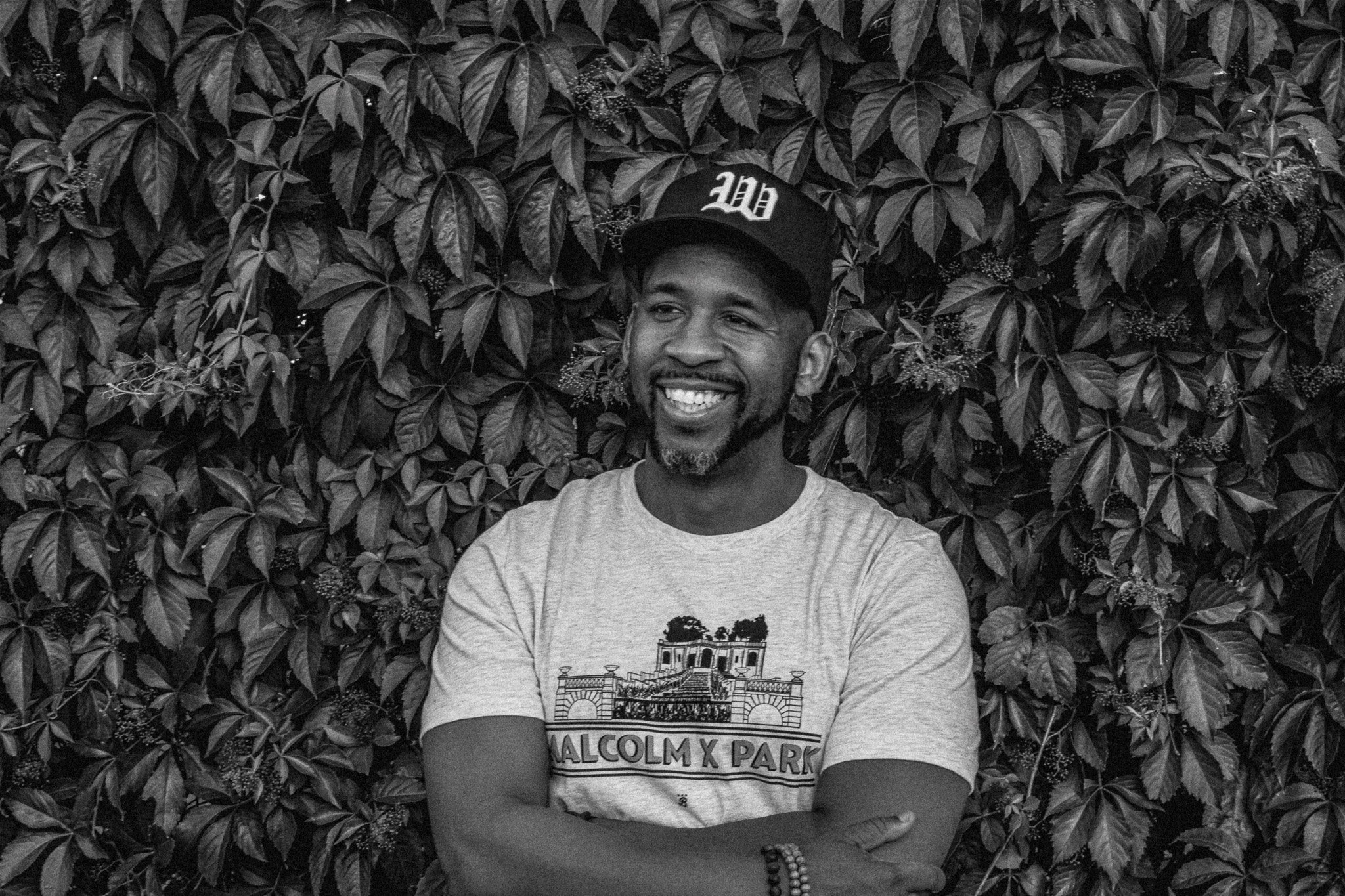
Follow Bailiwick on Instagram: @bailiwick_clothing