
Erik Bruner-Yang
Interview + Edits by Andrew Williams
Photographs by Will Ramsey
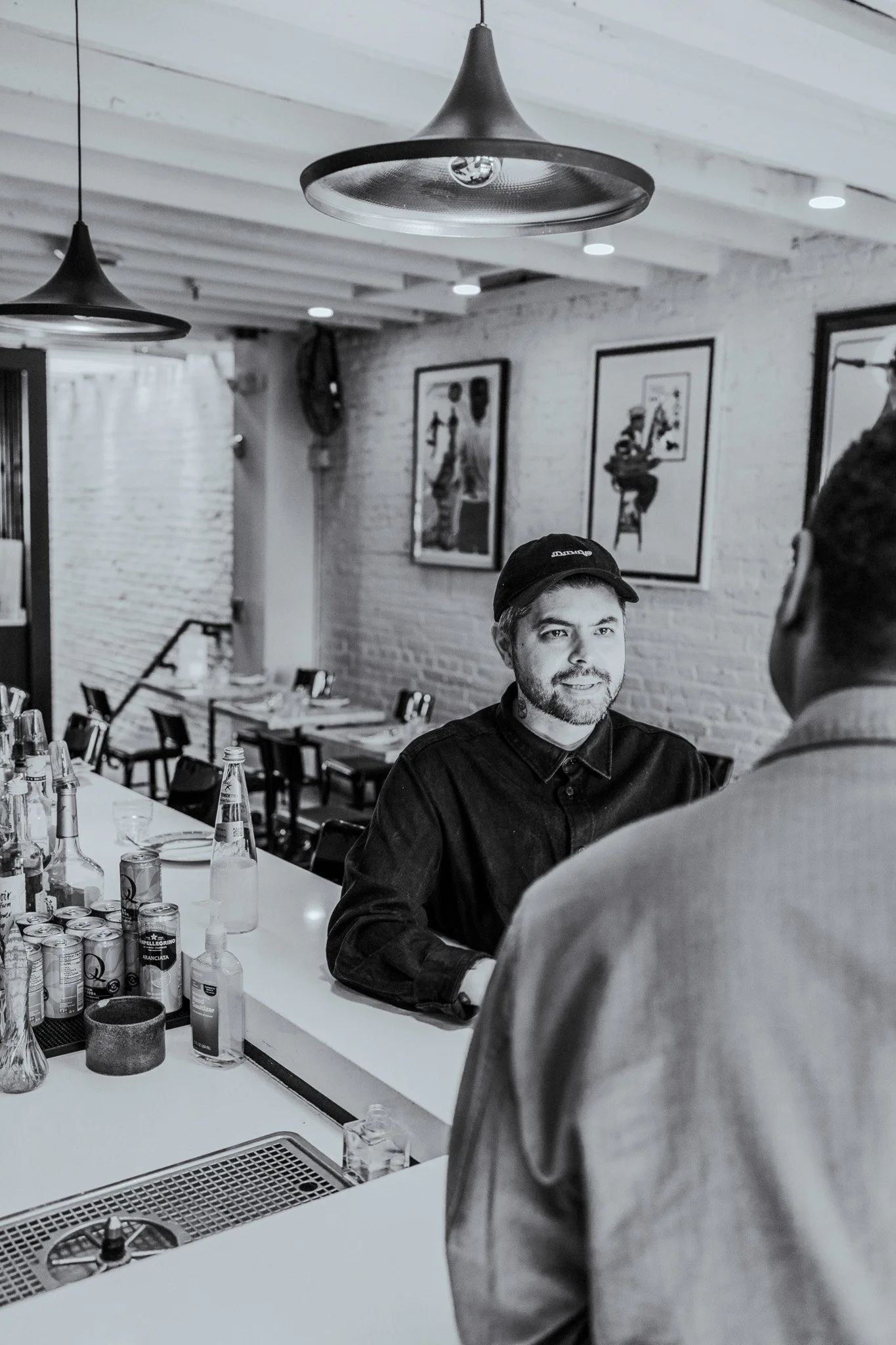
Erik Bruner Yang is a stalwart on D.C.'s dining scene. He's one of the anchors who emerged during the late 2000s restaurant boom—a moment fueled by the energy and optimism of the first Obama administration. He came to DC at a crossroads: musician or chef, the stage or the kitchen, applause or quiet mastery. He chose the kitchen. It was the right call.
Talented creatives like Erik flocked to DC, sparking an evolution in arts, culture, and food that forever transformed the city. Their ingenuity, grit, and artistry made the region a celebrated culinary destination—one that holds its own against Chicago, New York, and San Francisco.
Erik's talent is undeniable, matched only by his quiet confidence. Maketto is a multi-layered space for Cambodian food, pastries, coffee, streetwear, and independent magazines—a cornerstone of DC's dining and cultural identity. Providencia, his newest concept, is a love letter to the immigrant community—vibrant, unapologetic, vital. Born from the dreams of immigrants and their children, it brings together the culinary traditions of Asia, the Caribbean, and Latin America.
What sets Erik apart is his willingness to evolve. As he's matured, he's found wisdom without losing his drive, kindness, or capacity to dream—while staying clear-eyed about what this political moment means for cities like DC and the people who make them worth fighting for.
What follows is a conversation about the work, the wins, the doubts, and what it takes to protect what you've built.
How'd you choose the path of a chef?
Erik Bruner Yang: I've been working in restaurants since high school. I wanted to have my own money, but I was also a musician and going to school. Working in restaurants gave me a lot of flexibility. Then I had an opportunity to move to Washington, DC, in 2007 and [thought], "Should I pursue this culinary path?" I found that I enjoyed a lot of the processes and the experience of working in the restaurant, and got as much enjoyment from that as I did playing music. So, I took the opportunity to move here and open Sticky Rice on H Street. Once I was in DC, things kept working out for me.
That's interesting. I moved here around the same time in 2008. That's when DC's restaurant scene started to boom.
Erik: I always attribute the boom and a lot of the positive experiences I've had in DC to the Obama administration. A lot of people who were really special, who have made DC what it is today, came here during that presidency or were coming of an age then to really impact the evolution of this city. We saw a lot of interesting growth in arts and culture and food.
What don't they tell you about the journey of becoming a chef?
Erik: Well, it's mixed. I'm a chef, but I'm also an entrepreneur. It's not all creative. I have employees, business-related things that take away from the reason I got into this—to be creative. But being creative isn't the only thing I like about restaurants. I love that it keeps me busy, engaging with customers. Restaurants are theatre. So even though I don't always get to be creative with food in the way you'd consider art, I'm always busy. And I like being busy.
Have you ever wanted to walk away from the "theatre"?
Erik: All the time. But at this point, I'm 20 years as a small business owner and independent employer. I am fearful of what it would be like to work for someone else or have to go and get a job.
What keeps you inspired with the success you've achieved?
Erik: I've learned that I like having a very standard routine. Pre-COVID, at some point, we were up to seven restaurants and almost 250 employees in our company. COVID was a reset that made me rethink how I wanted to approach not just my work life but my personal life.
I decided that I want to keep it simple. I don't want to be responsible anymore for someone's career path. I just want to make sure that if they work here, they have a great work experience that can help them take them to the next phase of their career. For many years, I said, "We're going to start them in this position, and then hopefully in a few years, we'll promote them to this position." That part of the business I really did not enjoy. So we're scaling back to do these very unique, bespoke, cool concepts and making sure I have the time I want to devote to them. If I don't take care of myself and my family, I'm gonna be stressed and not a great employer.
So saying no.
Erik: Yeah, saying no to my own impulses and wanting to do stuff I might want to do now, but also knowing myself well enough to know that I'm not going to want to do it in six months.
Is it the fear of losing creative control?
Erik: I don't answer to anyone on a daily basis. And what kind of job would I get if it wasn't a restaurant job? I've met chefs who've owned restaurants and gone on to do other things, and I think we all share that sentiment. Sometimes, when these things end, it could feel like you failed, and I don't think that's always the case. When my friends close places, I always tell them congratulations. Sometimes it's a burden that's been removed.
Shows like The Bear put a spotlight on restaurant culture: the intensity, the grind, the "Yes, Chef" mentality. What did that make you rethink about how you run your own kitchens?
Erik: I haven't watched The Bear, but I've heard people talk about it, and I understand. I have worked in kitchens that were challenging and high-tempered. The New York Times just wrote an article about Noma, which was formerly the number one restaurant for many years, about the incidents and behaviors that were happening there. I think it's unacceptable in the workplace, any workplace. For some reason, in the restaurant business or in arts businesses, it gets glamorized, in some sense, as acceptable because people assume that art has this tension where these things exist. When I was younger, I was more vocal and demanding, and could come off as an aggressive chef in the way I ran the kitchens. Over time, especially once I became a parent, I realized that I would never want anyone to talk to my children this way, and I really worked on it. No one wants to work like that, and it should change. It's also a film, and in film, they are telling a story. They are creating drama. Still, kitchens like that do exist.
Tell me about the moment you opened your first restaurant. What was that feeling like?
Erik: My first place that I independently owned opened in 2011. It was a Taiwanese-style ramen shop called Toki Underground, which is also here on H Street. I was 26/27 at the time. I used to bartend at the Pub downstairs, and in the mornings, we'd go to Home Depot to get the stuff and build the restaurant. We did that over the course of two years. When we finally opened, we were the first official ramen shop in DC. It was pretty cool. It was at that time that David Chang was making it a bit more mainstream and hip, and people were super excited about us, but we didn't know if people were gonna like it. We were very busy from day one, and very lucky that people really loved it.
This guy named Jin, he was the general manager at Sushitaro at the time. He came every day for two to three weeks. I had never met him before, and the first couple of times, I didn't approach him. He would just come and eat, and kept coming every day. Finally, I got to know him, and he gave a lot of feedback and made me feel really confident in what we were doing.
We talked about Toki Underground and those early days of building something from nothing. Twenty years later, he's still building—but differently. Providencia, his newest concept, carries a weight his earlier work didn't. So I asked him what it means to open a love letter to immigrants in this moment.
So, you opened Providencia as a love letter to the immigrant experience. What does that project mean to you, especially with what's happening now?
Erik: The second Trump presidency, I think people knew things were going to be crazy, but not at the level that they are today. I love our partners [at Providencia]. Pedro and Danny worked their way through [Maketto] before we opened that space together. Danny's story is particularly touching because when he came to this country, he was 17, and we were his first job. He started as a dishwasher, and now, 11 years later, we own this bar together. That is the immigrant love story, right? It takes a lot of luck to meet the right people. That is the beauty of what this country can be for people.
But the pain point is what's ugly about this country. Danny doesn't feel comfortable leaving his house. We won Bon Appétit's top 10 Best New Bars—we should be celebrating, taking this bar on the road, doing pop-ups all across the country. Instead, the fear of travel makes it hard to celebrate. So we're always grateful when people like you come and help celebrate within our space. This moment has dampened the wins, even though they're amazing wins that solidify why we did it in the first place.
What's the feeling you want to create when someone walks into one of your restaurants?
Erik: I think the world can just feel super transactional. We are a business, and ultimately, we are here to do a transaction. But we really hope that is not the feeling you get here. We're here in whatever capacity you want to enjoy the space in any of our places. We want to make sure the relationship we're building with you is more than that.
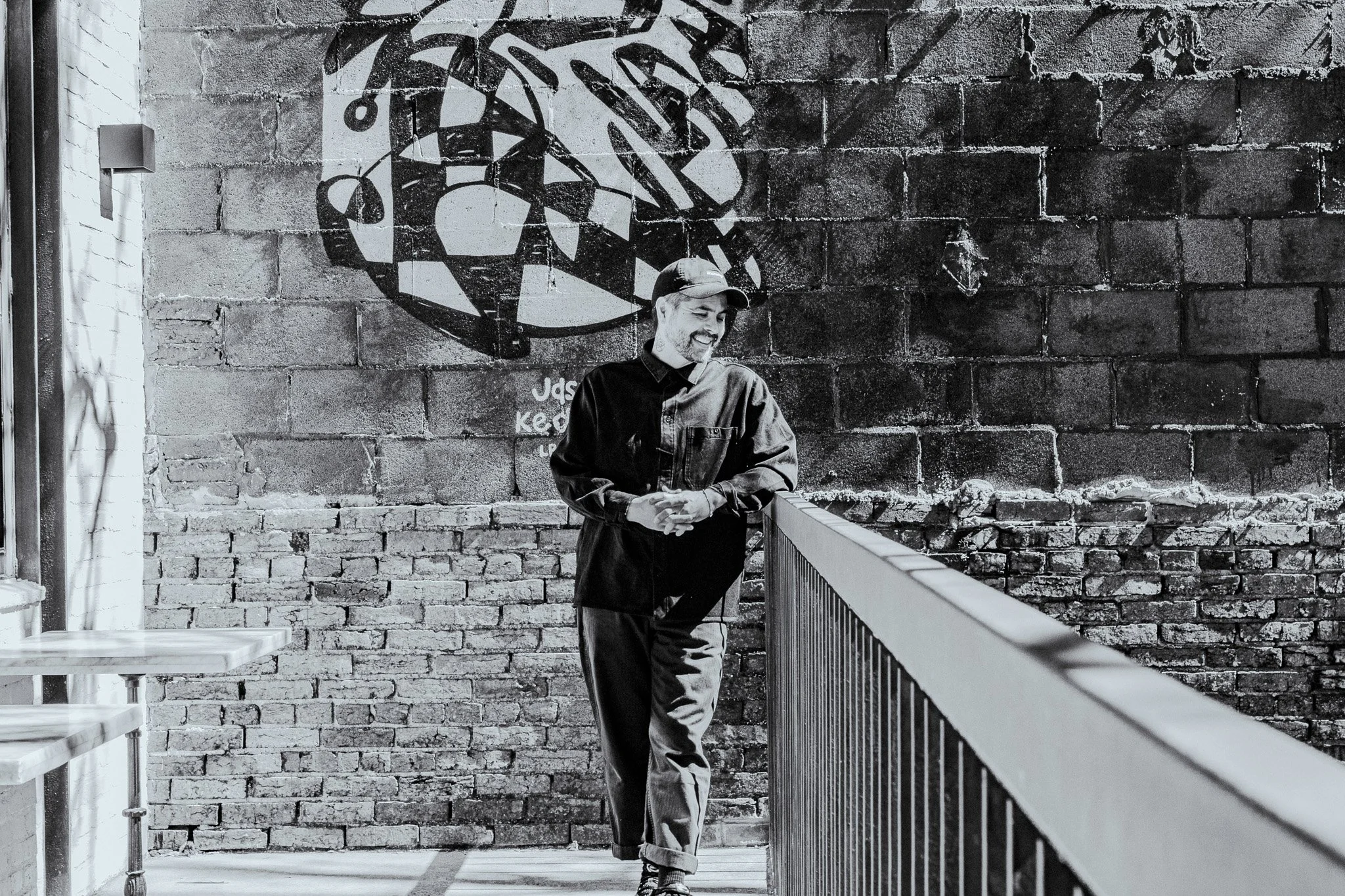
Erik's been in the industry for over 20 years now. I wanted to know what that kind of longevity looks like and how he's navigated it. About a decade ago, I was at Maketto for dinner with famed Chicago chef Rick Bayless when Erik came to the table. There was this mutual respect between the two chefs, calling each other "Chef," the meal comped—a sign of respect. It was one of those beautiful evenings you don't forget. Erik probably doesn't remember I was there, but I remembered it. So I asked him about building community with other chefs.
Why is it important for chefs to build community with other chefs?
Erik: Rick [Bayless] is a legend and a groundbreaker. I don't remember how we first met, but we hit it off well. I feel like I could text him and he'll text back if I'm in Chicago.
I think he's done a really good job of cooking a culture that's not his. He's always talked about it and revered it in a way that's super authentic to who he is, and I think it's a great representation of Chicago. But those types of people, and anybody at any level, you want to build relationships with and maintain them, because you don't know where they can take you or what you can learn from them. He was a great mentor to me in the early part of my career, and I always remember it and try to be mindful of it when I meet other young chefs. I just did a dinner for a magazine called Star Chefs. They are an industry-awards-based publication, and I was the oldest chef cooking dinner. It took me aback a little bit to be, "Oh, I'm this elder statesman at this point, and I have to carry myself in a way that looks out for other people."
Is there anything you're dreaming about right now?
Erik: Since I was in my 20s, I've always wanted to go to Iceland. Back when I was playing music, they had a very famous music festival called Iceland Airwaves, where all these awesome bands played. I also was into noir and Icelandic films for a little bit. They did some really cool movies. I went to Copenhagen two years ago, and we stopped through the Icelandic airport. So I'm getting closer.
Follow Erik on Instagram: @erikbruneryang
Maketto: @Maketto1351
Providencia: @barprovidenciadc